Immediate Power Solutions (IPS): Definition, Benefits, and Impact

November 15, 2025

Description

The expansion in segmentation and applications is revolutionizing energy storage, moving beyond traditional long-duration storage (hours to days) to include short-duration storage (minutes to microseconds) through advanced mechanical, thermal, electromagnetic, and electrochemical technologies.

Long duration energy storage applications have traditionally been labeled ESS (Energy Storage Systems) and long duration electrochemical (battery) technologies logically evolved to be known as BESS (Battery Energy Storage Systems). In this electrified everywhere age, short duration energy storage segments and applications have expanded rapidly based on the surge in use cases and new enabling technologies.

The widening gap between long and short-duration energy storage segments and applications, along with the emergence of new technologies tailored to each, necessitates the creation of a new category aptly named Immediate Power Solutions (IPS).

A requirement of short duration energy storage applications is the availability of instantaneous, high-rate power for a range of minutes to microseconds. The IPS group of technologies and applications are vital to the growth of all power infrastructure with many of these applications being categorized as critical, mission critical, or life safety.

A fundamental difference between long and short duration energy storage is that storage capacity (i.e., energy density) is the highest value characteristic in long duration applications and discharge capacity (i.e., C rate or power density) is the highest value characteristic in short duration applications.

This white paper delves into the significance, definition, and impact of IPS as a category.

Register to read full paper

Introduction

The relentless advancement of modern technology is made possible by an electrical infrastructure that supplies the essential power and energy needed for future progress. Macro trends in computing, AI, mobile devices, and the electrification of transportation have combined to bring power generation and delivery to the forefront of public consciousness. 

The electrification of everything is now spurring innovation across all segments of electrical infrastructure, emphasizing the importance of energy storage. What was once in the background is now at the forefront. New requirements and technologies are building on each other, resulting in an explosion of new products and applications.

Examples abound:

  • Rooftop solar installations are now large enough to cause load defection.
  • In the opposing direction, significant increases in electricity demand are jolting the global electric utility industry out of traditional growth rates.
  • Energy storage technologies—mechanical, thermal, electromagnetic (capacitors), or electrochemical (batteries/fuel cells) —are rapidly advancing.

Among these, energy storage, batteries in particular, have swiftly transitioned from being overlooked for nearly a century to becoming the focus of major technological advancements, global investments, massive deployments, and even Nobel prizes. Batteries for electric vehicles (EVs), long-duration grid storage, and short-duration applications are now a central concern for technologists, general users, and governments worldwide.

This paper focuses on the expansion in segmentation and applications beyond traditional long duration energy storage (hours to days) to include short duration energy storage (minutes to microseconds) utilizing mechanical, thermal, electromagnetic, and electrochemical technologies. Note that all energy storage and short duration power systems share the characteristics of being charged and discharged when desired. This is distinct from power conversion systems which have no storage: examples of converters are wind turbines, solar panels, or diesel generators that convert wind, solar, and chemical power into electricity. Long duration energy storage applications have traditionally been labeled ESS (Energy Storage Systems) and long duration electrochemical (battery) technologies logically evolved to be known as BESS (Battery Energy Storage Systems). In this electrified everywhere age, short duration energy storage segments and applications have expanded rapidly based on the surge in use cases and new enabling technologies.

A fundamental difference between long and short duration energy storage is that storage capacity (i.e., energy density) is the highest value characteristic in long duration applications and discharge capacity (i.e., C rate or power density) is the highest value characteristic in short duration applications. Short duration energy storage examples here include mission critical power backup systems, commercial and military pulse power applications, and short duration industrial and grid power stabilization support. The widening gap between long and short-duration energy storage segments and applications, along with the emergence of new technologies tailored to each, necessitates the creation of a new category aptly named Immediate Power Solutions (IPS).

Under the umbrella of IPS, the short duration energy storage stakeholder community can now effectively identify and differentiate their requirements from the long duration labels used incorrectly due to lack of an alternative. An example of the effect of this overlap is the ever-growing family of lithium-ion rechargeable battery technologies, which are inherently high energy density chemistries. These products work well in long duration energy storage applications such as renewables grid storage and EVs. Due to familiarity or cost, or both, they have also been applied to short duration applications where high energy density is a poor fit or even a disadvantage. In this new era, one-size-fits-all application of battery technologies has become obsolete in favor of optimizing products and technologies for the specific applications.

The IPS category helps short duration users, technology providers and services suppliers self-identify and come together to optimize short duration energy storage implementations.

Immediate Power Solutions Defined

A requirement of short duration energy storage applications is the availability of instantaneous, high-rate power for a range of minutes to microseconds.

Applications for this type of short duration power delivery exist across multiple verticals including industrial and manufacturing, data center, electric vehicle charging infrastructure and even support of long duration energy storage and generation products as they ramp up to peak power. The IPS group of technologies and applications are vital to the growth of all power infrastructure with many of these applications being categorized as critical, mission critical, or life safety. The presence of instantaneous, high-rate power in a mission critical application requires the additional characteristic of safety for IPS technology to remain viable. Further, mission critical applications demand high reliability along with sustainability, which are now prime factors in all short duration energy storage use cases.

Given the above characterization, Immediate Power Solutions (IPS) can be concisely defined as: safe, reliable and sustainable, short duration, high-rate power technologies for critical applications.

Immediate Power Solutions (IPS) address the needs of electrical applications that are defined by the power levels and typically short duration response time required to maintain desired system operation. For example, a 480 VAC three phase UPS system in a datacenter that must provide 1 Megawatt of power within 10 milliseconds and for up to 2 minutes to assure the successful start and synchronization of backup generators. This is an Immediate Power Solution that requires AC and DC power, real and reactive power considerations, and energy typically discharged by mechanical, electromagnetic, or electro-chemical means. IPS is not a new idea, but frequency and severity of problems caused by power outages in computer systems, electric vehicles, medical monitoring equipment, etc. brought forth the importance of the category. As is often the case, new IPS challenges spur the development of new, innovative IPS solutions. Moreover, each new IPS solution will not only address its target application but will also be applicable to a range of similar challenges and applications.

Immediate Power Solutions (IPS): Applications and a Look Ahead

Now that we have defined Immediate Power Solutions (IPS), we can explore their current state and future directions. As illustrated in the previous section, there are multiple technological approaches to IPS, each with its own set of performance characteristics. This allows users to identify applications that fall into the IPS category and compare their requirements to the available technologies.

Understanding the IPS distinction is critical for matching the right technology to the use case. While the world demands more power and energy, not every application requires a long-duration Energy Storage System. Using ESS technology where it’s not the best fit is inefficient. Conversely, employing an IPS product for a 4-hour grid support application is impractical and costly.

Technologies within the IPS space are designed to serve immediate high-power needs for applications such as EV charging infrastructure, mechanical temporary overloads, critical power for data centers, and artificial intelligence (AI)/machine learning (ML) power influxes.

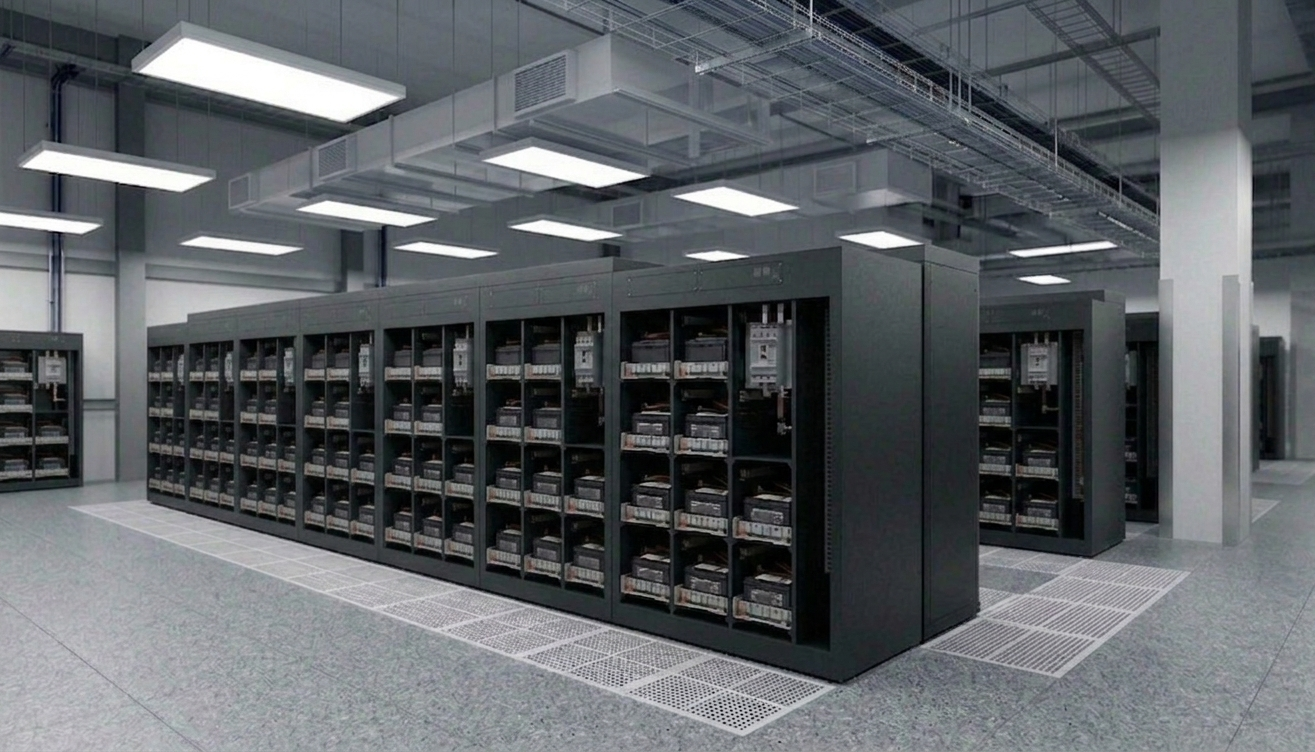
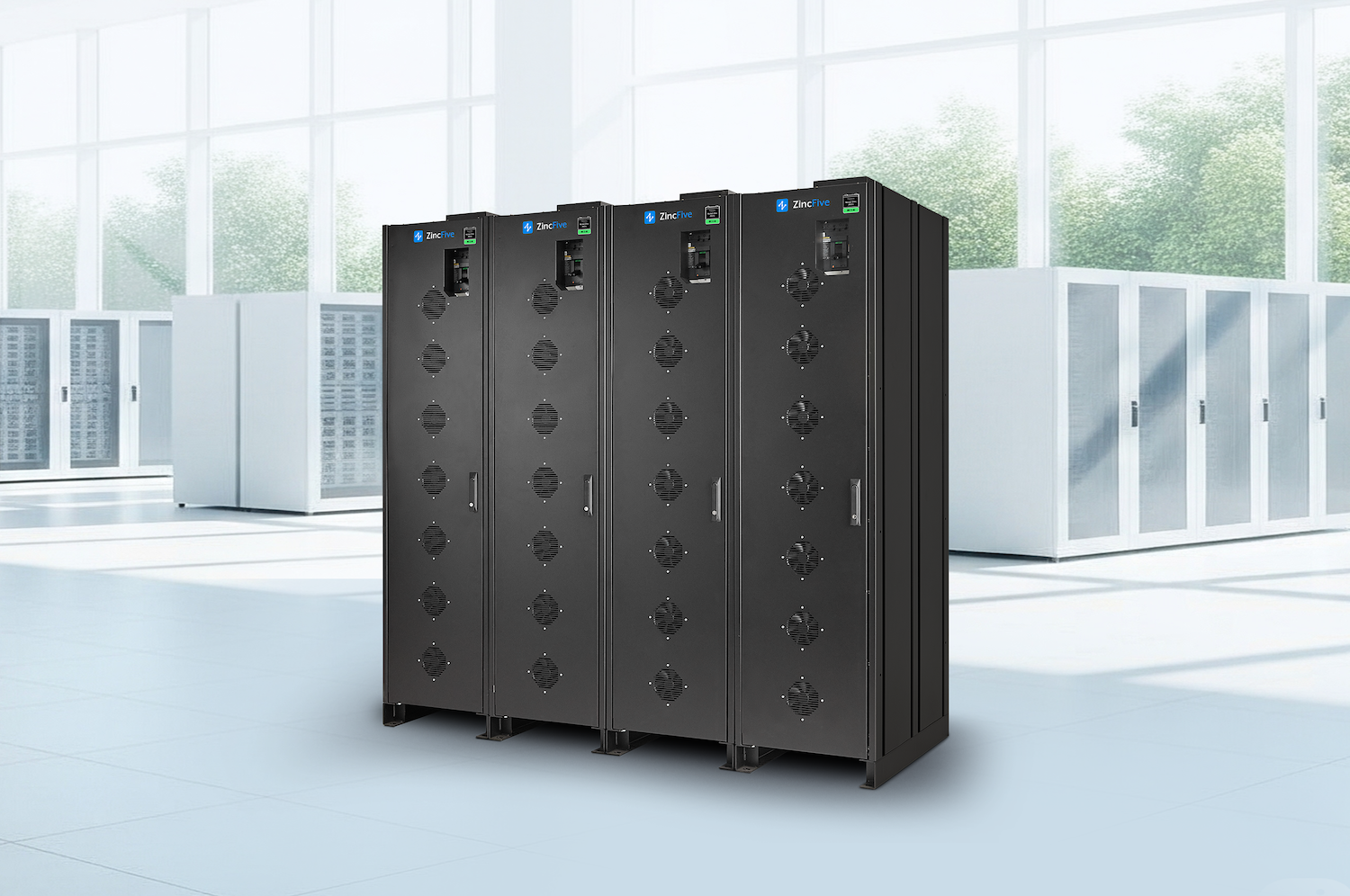
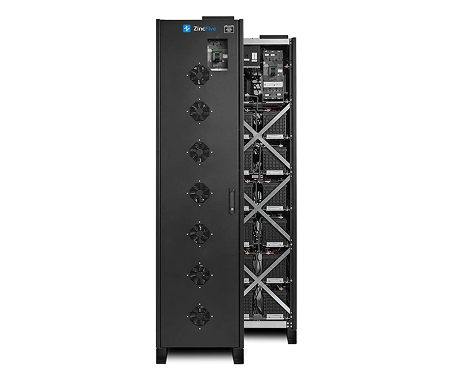
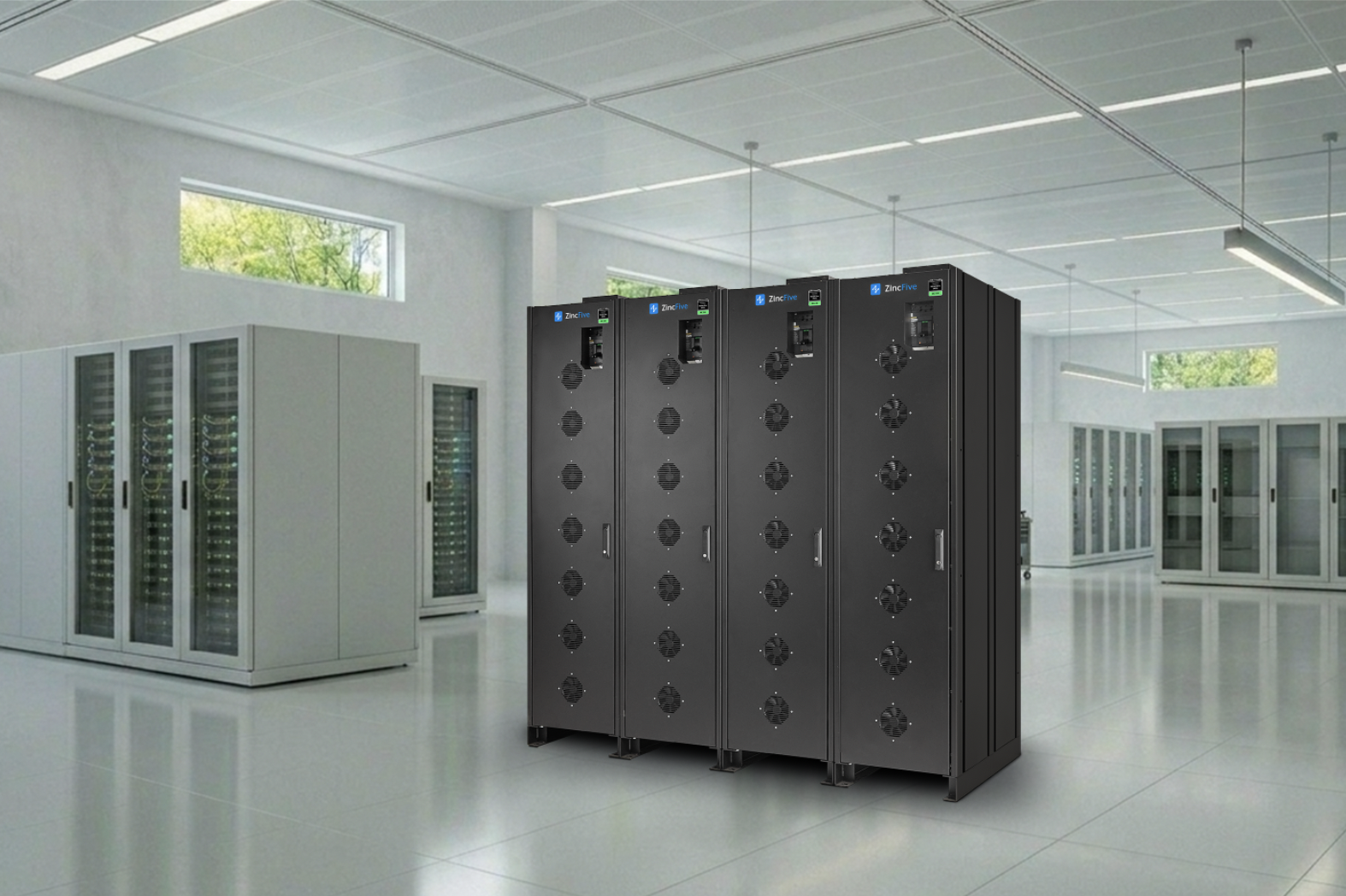
These use cases would be inadequately served by ESS products. For instance, ZincFive nickel-zinc (NiZn) batteries can bridge short duration power gaps (1 minute to 5 minutes) in multi-megawatt data center installations with a small footprint, and supercapacitors can fill millisecond voids for electronics to ensure proper function. There are IPS products tailored to each of these needs.

All examples discussed in this paper so far are existing applications with new challenges associated with immediacy, power, and duration. Consider electronic power supplies used for many applications. Power supplies typically have surge power specifications supported on a limited basis by internal capacitance. When placed in an IPS application, traditional power supplies don’t have the ability to respond properly to the new high variability loads. The additional challenges of meeting reliability requirements while safely supporting high variability loads create the opportunity to look to IPS technology as a solution.

New IPS technologies like batteries that exhibit superior power and energy density compared to capacitors, similar cycle life, and simple battery management characteristics are gaining traction in applications like power supply surge capacity.

Another common future IPS application example is microgrid power stabilization when exposed to unpredictable loads and availability of power sources. Microgrids have the same problems as utility scale grids, but on a small enough scale that introduction of a single stabilizing microgrid component can make a significant overall performance difference. IPS technology enables easy management of hybridized fuel cells, diesel, and gas turbine generators by allowing any type of generator to provide immediate power at “time zero.”

A final unique category of the issues IPS can resolve includes unrecognized problems associated with the status quo. Consider a factory that sequentially starts all its process motors to avoid power surges that exceed utility-supplied power limits. An IPS solution can help this factory achieve the operational efficiency benefits of simultaneous motor starting. This type of IPS application example highlights the direct benefits of an IPS solution to both known problems and yet-to-be discovered future IPS application opportunities.

Conclusion

The IPS technologies and applications are essential for the expansion of power infrastructure, with many being classified as critical or mission critical. Clearly differentiating between ESS and IPS is just as significant for addressing power infrastructure challenges effectively. Consequently, this significance necessitates its own distinct category in the market to address the unique demands and ensure robust solutions for these vital applications. Selecting the right IPS solution for each application is essential as we continue to face and solve the power issues created by and resolved by the developing IPS infrastructure.

Tags:
  • batteries, 
  • data centers, 
  • uninterruptible power supply
  • Featured Papers

    A Comprehensive Guide to the U.S. Codes and Standards for Energy Storage Systems (ESS)

    This white paper provides an informational guide to the United States Codes and Standards regarding Energy Storage Systems (ESS), including battery storage systems for uninterruptible power supplies and other battery backup systems.

    June 28, 2024
    1 / 2
  • Featured Papers

    Climate Impact Profile

    Advanced energy storage solutions are increasingly needed to transition the electricity grid, transportation, building and industrial sectors towards renewable energy sources. ZincFive’s nickel-zinc battery is a high-capacity battery with environmental and safety advantages.

    June 28, 2024
    2 / 2

How Nickel-Zinc Is Powering the Future of Data Centers

June 19, 2025

Data centers face the challenge of balancing industry demands—telecom, e-commerce, AI, and more—with rising sustainability expectations. As critical infrastructure, even seconds of downtime can mean lost data and revenue, making reliable UPS backup systems essential.

For many decades, lead-acid batteries remained at the core of backup power, providing the reliability and power required for an always-on world, at an accessible price point. The absence of shipping restrictions, and ability to provide back-up power, additionally ensured this chemistry’s stake in the market. Though, despite its legacy of consistency, the low-energy density, space requirements, and shorter lifespan of lead-acid left an opening for a more compact and long-lasting solution.

Lithium-ion chemistry, commonly used in consumer products, quickly gained popularity as a UPS solution due to its high-energy density and long lifespan. Able to provide the same power at a much smaller size and weight than lead-acid, lithium-ion remains a strong contender and stalwart choice in many data centers. However, safety remains a major concern with this chemistry, as demonstrated by incidents across several industries. Any number of factors, including high temperature or cell failure, can lead to thermal runaway and the output of flammable, toxic gases. This, in addition to the challenging extraction process of a limited lithium supply, provided an opportunity for alternative chemistry. In the last decade, nickel-zinc (NiZn) has challenged traditional solutions as a highly power-dense technology that meets the reliability demands of a data center, while touting many safety, cost, and sustainability benefits. 

Higher Power, Smaller Footprint

Nickel-zinc delivers up to three times the power density of legacy chemistries, at half the footprint and one-third of the weight. Every square foot in a data center is valuable, and as power demands continue to increase, packing more into a smaller space translates to better performance with significant cost savings. The industry-leading footprint of NiZn ultimately allows data centers to allocate more space to revenue-generating equipment.  

ZincFive BC 2 UPS Battery Cabinet with AI

Nickel-Zinc: High Power Density Backup Power for Data Centers

Read Post

Safety and Reliability at a Lower TCO

NiZn chemistry offers exceptional operational flexibility, withstanding a broader temperature range than lead-acid or lithium-ion – without the risk of thermal runaway at the cell level. This inherently safe, non-toxic chemistry reduces the need for intensive cooling, lowering operational costs while offering critical peace of mind for data center operators.

Nickel-zinc batteries deliver reliable performance without compromising safety. Unlike lithium-based chemistries – which may require system shutdowns via battery management systems (BMS) to prevent thermal events – NiZn systems remain operational even when individual cells become weak or depleted, ensuring uninterrupted performance and minimal downtime.

Thanks to their stable chemistry, NiZn batteries don’t force a tradeoff between reliability and safety. Even in the event of a cooling system failure, they continue to operate safely and are warrantied for their full-service life. They’re also warrantied to perform reliably during occasional temperature excursions up to 50°C, providing added assurance in high-demand environments.

Fewer replacements, less downtime, and a safer solution – nickel-zinc is a chemistry data centers can count on, year after year.

Sustainability & Low Carbon: A Chemistry That Cares

In addition to the safety, reliability, and cost-effectiveness that data centers require from their UPS backup system, sustainability is an increasing priority for many organizations. According to the 2025 Data Center Energy Storage Industry Insights Report, 87% of respondents consider sustainability a priority in their power system buying decisions, up from 81% in 2024. Moreover, 72% indicated that their organization’s sustainability efforts have resulted in cost reductions, nearly a 10% increase from last year.

ZincFive’s nickel-zinc (NiZn) technology offers a sustainable, recyclable backup power solution for data centers with a significantly lower climate impact than lead-acid and lithium, as validated by third-party analysis. With an operating life up to 3x longer than lead-acid batteries, NiZn reduces waste and replacement frequency. Plus, NiZn’s lifetime greenhouse gas emissions are 25-50% lower than lead-acid or lithium-ion alternatives, making it a safer, more environmentally responsible choice. Nickel-zinc solutions use common, highly available, conflict-free materials which are also highly recyclable. In fact, nickel and zinc are four to five times more abundant in the Earth’s crust than lithium and lead respectively, making NiZn a safer, more sustainable, and resource-efficient energy storage choice.

BC 2 data center AI

AI’s impact on data center power requirements

Read Post

Navigating AI’s Power Surges

Perhaps the greatest demand of the moment, though, is the rapid adoption of AI. In the new normal, an AI-powered search requires at least ten times the energy of a traditional web search, meaning there is a large increase in the overall power demand required to support AI properly. Another growing challenge is the frequent, rapid power spikes, up to millions per month, that stem from GPU clusters operating at peak capacity. These pulses require a high-density, fast-discharging and re-charging chemistry to mitigate and reduce impacts on the grid. Despite its overall reliability, this is where lead-acid becomes less effective, as the chemistry does not perform well in high cycle environments. Lithium on the other hand responds well to typical battery cycling but struggles to maintain that advantage under these high-power peak load spikes. Of the three solutions, nickel-zinc chemistry clearly demonstrates the most effective load management for rapid pulsing present in AI load profiling. With its high-power density and rapid discharge capabilities, NiZn solutions can provide high bursts of power with near instantaneous response time. 

A Lasting Future with Nickel-Zinc

While legacy battery chemistries remain competitive in UPS backup systems, nickel-zinc—proven with millions of operating hours across multiple industries—has emerged as a strong, viable solution in the rapidly evolving data center landscape. In short, nickel-zinc batteries offer a long life, reliable performance, and low maintenance while delivering higher power density in a smaller footprint. Capable of managing the peak loads of today’s automated world, NiZn batteries reduce footprint, ensure safety, support corporate sustainability goals, and lower the total cost of ownership—all without compromise.

Previously published by Data Center Dynamics

Tags:
  • batteries, 
  • data centers, 
  • immediate power, 
  • nickel-zinc, 
  • power density, 
  • safety, 
  • sustainability, 
  • uninterruptible power supply
Author
Tod Higinbotham, ZincFive CEO
Tod Higinbotham
CEO, ZincFive
Tod has a strong track record of successfully growing advanced materials companies in the energy storage, semiconductor, and solar markets. He served as Executive VP/GM for ATMI and led the rapid growth of the company, which sold more than $1 billion. Tod was an executive member of the leadership team at Advanced Silicon Materials, a world leader in high-purity silicon materials, the business that was sold to REC to form their solar materials business. He was formerly the CEO of PowerGenix, the company that pioneered the novel nickel-zinc battery technology that has become the core of ZincFive’s solution portfolio.

The Critical Shift to Immediate Power Solutions (IPS) in Data Centers

May 19, 2025

In the ever-evolving landscape of energy storage, the choice of battery chemistry is a pivotal factor that can determine the success of our applications. Different battery technologies offer distinct advantages and disadvantages: some excel in delivering high power for brief intervals, while others provide sustained energy over longer durations at lower discharge rates. Additionally, these batteries vary in safety, reliability, and sustainability. As energy storage becomes increasingly integral to the 21st-century economy, it is critical to select the most appropriate battery solution for each application, rather than relying on a one-size-fits-all mentality.

Traditionally, long-duration energy storage has been encapsulated within the framework of Energy Storage Systems (ESS), commonly used for applications such as powering electric vehicles and consumer electronics. Conversely, short-duration applications, which prioritize immediate power output, fall under the category of Immediate Power Solutions (IPS). IPS applications demand instantaneous, high-rate power for durations ranging from minutes to microseconds. These solutions are vital across various sectors, including industrial manufacturing, electric vehicle charging infrastructure, and support systems that help long-duration energy storage and generation products achieve peak power.

One of the most fitting applications for IPS is in the realm of uninterruptible power supply (UPS) systems, where a battery backup temporarily supplies power for a system until a longer-term power source comes online. These short but pivotal moments can have significant financial and reputational implications, especially for data centers.

AI's impact on power

AI’s impact on data center power requirements

Read Post

With the exponential growth of consumer electronics, IoT, and AI, our reliance on digital infrastructure is at an all-time high, making data center uptime absolutely critical. To meet these escalating demands, data center operators must contend with workplace safety, rising real estate costs, and increased sustainability expectations from regulators, investors, and clients. These pressures are driving a transition toward backup power solutions that deliver greater reliability, space efficiency, and environmental responsibility.

The mounting demands on data centers have created an environment where reliance on traditional UPS systems, often powered by ESS, results in suboptimal performance. While legacy IPS solutions have historically been used, they frequently compromise on benefits such as footprint and sustainability. Fortunately, innovative IPS battery solutions have emerged, designed specifically to provide immediate, high-rate power essential for managing the critical transition between an outage and backup generator activation—all while improving on the shortcomings of legacy IPS and current ESS systems.

Lead-acid batteries, a long-standing IPS technology, are often seen as a familiar and reliable choice for UPS in data centers. However, they are increasingly recognized for their limitations in size, sustainability, and power output, making them less suitable in today’s context. Many data centers have relied on lead-acid due to its affordability and widespread availability in the past, but the good news is that enhanced alternatives are now on the market.

Lithium-ion batteries are another option frequently considered by data center operators for UPS systems, and their popularity grew due to their favorable weight and size compared to lead-acid solutions. As real estate costs escalate, the physical footprint of UPS systems has become a critical concern for operators looking to optimize space for revenue-generating servers. However, lithium-ion batteries are still classified as ESS because their limited discharge rates are designed to mitigate safety concerns, thus failing to fully meet the immediate power needs of UPS systems.

In contrast, nickel-zinc batteries present a compelling IPS solution, boasting significantly higher power density than both lead-acid and lithium-ion batteries. They can deliver immediate power to an entire data center while occupying less than half the space of traditional lead-acid systems, thus allowing for additional servers and increased revenue potential. Furthermore, nickel-zinc batteries enhance reliability and sidestep the thermal runaway risks associated with lithium batteries. Their lifecycle emissions are also substantially lower than those of lithium and lead-acid alternatives, with reduced resource consumption and environmental impact.

BC 2 immediate power

The Race to Reduce UPS Runtime: Why Backup Battery Selection Matters More Than Ever

Read Post

Transitioning to advanced battery technologies previously posed challenges, including compatibility issues and high retrofitting costs, often stemming from the specialized safety equipment required for lithium-ion systems. However, recent developments in UPS cabinets designed for seamless integration into existing setups have changed the game. These innovations facilitate the straightforward replacement of ESS with IPS, enabling data centers to enhance efficiency, safety, and sustainability without the need for extensive system overhauls.

As data centers continue to be crucial players in driving the global economy, reliable UPS systems are indispensable.  The need to increase power density and eliminate outage risks efficiently has shown that we need to look beyond traditional ESS systems. With the barriers to adopting advanced technology now addressed, data centers are well-positioned to maximize their reliability, safety, and efficiency by embracing Immediate Power Solutions in their UPS systems.

Previously published by Data Centre Review

  • batteries, 
  • data centers, 
  • immediate power, 
  • nickel-zinc, 
  • power density, 
  • safety, 
  • sustainability, 
  • uninterruptible power supply
Author
Tod Higinbotham, ZincFive CEO
Tod Higinbotham
CEO, ZincFive
Tod has a strong track record of successfully growing advanced materials companies in the energy storage, semiconductor, and solar markets. He served as Executive VP/GM for ATMI and led the rapid growth of the company, which sold more than $1 billion. Tod was an executive member of the leadership team at Advanced Silicon Materials, a world leader in high-purity silicon materials, the business that was sold to REC to form their solar materials business. He was formerly the CEO of PowerGenix, the company that pioneered the novel nickel-zinc battery technology that has become the core of ZincFive’s solution portfolio.

Nickel-Zinc: The Data Center Shift Beyond Lithium-Ion and Lead-Acid

April 30, 2025

Modern data centers are the backbone of digital operations, supporting AI, cloud computing, e-commerce, and more. As power consumption surges – especially due to AI’s high computational requirements – the need for reliable, efficient, and eco-friendly backup power is greater than ever. While lead-acid and lithium-ion batteries have long been widely used, nickel-zinc (NiZn) technology is emerging as a powerful alternative that is inherently more safe, reliable, and sustainable.

The Limits of Traditional Battery Technologies

Lead-acid batteries have historically been the standard for uninterruptible power supply (UPS) systems, valued for their affordability and reliability. However, in today’s high-demand environments, their large size, short lifespan, and relatively low energy density have made lead-acid batteries a less efficient choice.

Lithium-ion batteries improved on some of these limitations with their compact design and longer lifespan. However, this chemistry presents well-documented risks, including thermal runaway and toxic gas emissions – factors that can carry serious operational and financial implications. Environmental and ethical concerns around lithium mining further complicate its role as a long-term fit for sustainable data center operations.

2025 Data Center Energy Storage Industry Insights Report

Read Report

The Nickel-Zinc Advantage: Safer Power. Smarter Design. Sustainable Future. 

Nickel-zinc batteries deliver a superior alternative to traditional chemistries – overcoming historical UPS limitations without compromise. Here’s why NiZn is quickly becoming a preferred choice for UPS systems:

1. Maximum Power, Minimal Footprint 

NiZn immediate power technology delivers up to three times the power density of conventional battery solutions, while occupying just half the footprint and one-third of the weight. As data center operations continue to demand more power in existing or smaller spaces, high power density translates to direct savings. By packing more power into a smaller, industry-leading footprint, nickel-zinc solutions optimize floor space for critical, revenue generating equipment. 

2. Exceptional Safety and Dependability

NiZn chemistry is fundamentally safe and does not pose a risk of thermal runaway at the cell level. It also operates effectively across a wider temperature range than both lead and lithium, reducing the need for extensive cooling infrastructure.

Nickel-zinc batteries deliver consistently high dependability without compromising safety. Unlike lithium-based chemistries that may require system shutdowns through battery management systems (BMS) to prevent thermal runaway, NiZn systems remain operational—even if a single cell becomes weak or depleted—ensuring continued performance with minimal downtime.

Thanks to its inherently safe chemistry, NiZn does not require trading off reliability for safety. Even during unexpected cooling system failures, NiZn batteries continue to operate safely and reliably and remain under warranty for their full-service life. NiZn batteries are warrantied to perform reliably even with occasional exposure to elevated temperatures up to 50°C, offering added peace of mind in demanding operating environments.

3. Longevity and Cost Efficiency

With a 10-year warranty and service life of up to 15 years, NiZn batteries outlast traditional chemistries in lifespan and value. The frequency of nickel-zinc replacements and maintenance is significantly lower compared to lead-acid and lithium-ion, contributing to a higher overall cost of ownership for these legacy chemistries.  Alternatively, the durability, longevity, and low maintenance of NiZn contributes to an overall lower total cost of ownership (TCO), making this chemistry a financially sound investment for data centers.

4. Sustainability Without Compromise

With increasing consumer and regulatory requirements, sustainability has emerged as a key focus for many organizations. The 2025 Data Center Energy Storage Industry Insights Report reveals that 87% of respondents consider sustainability a priority, up from 81% in 2024. Additionally, 72% of respondents report that their organization’s sustainability efforts have resulted in cost reductions, nearly a 10% increase from last year. 

ZincFive’s nickel-zinc (NiZn) battery technology delivers a sustainable and recyclable backup power solution with the highest positive climate impact, when compared to traditional lead-acid or lithium-based systems. NiZn batteries boast an operational lifespan up to three times longer than lead-acid counterparts, minimizing waste and reducing replacement needs. In addition, the lifetime greenhouse gas emissions from NiZn solutions are 25–50% lower than lead-acid and lithium-ion alternatives, and utilize conflict-free, widely-available materials. Nickel and zinc are both highly recyclable, and significantly more abundant in the Earth’s crust than lithium and lead. From cradle-to-grave, nickel-zinc solutions are the more sustainable and environmentally responsible choice for energy storage and immediate power in modern data centers. 

AI's impact on power

AI’s impact on data center power requirements

Read Post

Supporting AI’s Energy Demands with Nickel-Zinc

As AI-driven tools and applications demand immense computational power, data centers are faced with frequent and intense energy surges. These rapid power spikes, numbering millions monthly, are a result of GPU clusters operating at peak capacity. Lead-acid batteries struggle to perform in these high-cycle environments, making this chemistry a less effective choice for the future. While lithium-ion systems can manage typical battery cycling, this chemistry experiences performance degradation under extreme load fluctuations common with AI. Nickel-zinc systems, alternatively, demonstrate highly effective load management of rapid pulsing present in AI load profiling. With its rapid discharge and recharge capability and high-power density, nickel-zinc chemistry efficiently manages AI-driven power spikes without compromising performance.

Nickel-Zinc: Powering the Next Generation of Data Centers

 As data center needs and digital infrastructure rapidly evolve amidst the growing use of AI, nickel-zinc continues to rise as the future-proof energy storage solution. With millions of operating hours across multiple industries, NiZn delivers high-power density and a compact footprint that is unmatched by traditional chemistries. Coupled with a long lifespan, inherent safety and reliability benefits, and notable sustainability advantages, NiZn chemistry is a strong and resilient alternative to legacy battery technologies. With an unshakable standard of high performance under the peak loads of today’s digital landscape, nickel-zinc chemistry is the sustainable, compact, and cost-effective solution capable of growing the data centers of tomorrow – all without compromise.

Previously published by Data Center Frontier

Tags:
  • batteries, 
  • data centers, 
  • immediate power, 
  • nickel-zinc, 
  • power density, 
  • safety, 
  • sustainability, 
  • uninterruptible power supply
Author
Tod Higinbotham, ZincFive CEO
Tod Higinbotham
CEO, ZincFive
Tod has a strong track record of successfully growing advanced materials companies in the energy storage, semiconductor, and solar markets. He served as Executive VP/GM for ATMI and led the rapid growth of the company, which sold more than $1 billion. Tod was an executive member of the leadership team at Advanced Silicon Materials, a world leader in high-purity silicon materials, the business that was sold to REC to form their solar materials business. He was formerly the CEO of PowerGenix, the company that pioneered the novel nickel-zinc battery technology that has become the core of ZincFive’s solution portfolio.

Immediate Power Solutions (IPS): A Vital Component in Modern Data Centers

March 4, 2025

The rapid evolution of technology—spanning online services, consumer electronics, IoT, and AI—has amplified our reliance on digital infrastructure and emphasized the importance of uninterrupted data center operations. This technological surge is driving advancements in electrical infrastructure, particularly in energy storage, due to evolving needs. Data center operators face the challenge of addressing these increasing demands while also managing workplace safety, rising property expenses, and sustainability issues. Consequently, there is a noticeable shift towards backup power solutions that prioritize greater reliability, space efficiency, and environmental stewardship.

The growing pressure on data centers has brought Immediate Power Solutions (IPS) to the forefront as a crucial category of energy storage. IPS addresses the evolving digital infrastructure landscape by focusing on the immediate, high-rate power necessary for critical operations, distinguishing it from traditional Energy Storage Systems (ESS). Unlike ESS, which focuses on long-duration capacity, IPS is designed to deliver high-rate power instantly for short durations, emphasizing reliability and efficient space use.

When assessing mission-critical backup applications through the IPS framework, the suitability of different systems becomes clearer. For example, lead-acid batteries, which utilize one of the oldest battery technologies, are frequently viewed by many data center operators as a traditional and reliable choice for data center uninterruptible power supplies (UPS). However, given today’s data center requirements for safety, reliability, sustainability, and space efficiency, more advanced battery technologies have now surpassed lead-acid in their suitability for the sector.

The Next Era of Data Center Power: Trust, Sustainability, and Innovation

Read Post

One alternative considered by data center operators for their UPS systems is lithium-ion, an ESS battery. These batteries’ energy density—characterized by their ability to release moderate amounts of energy over extended periods—makes them well-suited for applications such as electric vehicles and consumer electronics. However, data centers need a different capability: the ability to deliver rapid, high-power bursts to keep operations running during power outages until backup generators activate. While lithium-ion batteries are effective for sustained energy output, they may not meet the immediate high-power demands required for data centers. In contrast, IPS solutions are specifically designed to provide the rapid, high-power energy needed during these critical moments and do not have the same space and safety challenges associated with lithium-ion batteries.

Recent advancements in battery technology have introduced solutions specifically tailored for IPS needs. Notably, nickel-zinc batteries represent a breakthrough innovation in this field. Their enhanced power density allows them to deliver substantial bursts of energy rapidly while occupying less than half the space of conventional lead-acid systems. Their compactness and efficiency are particularly advantageous for data centers, as they align with the core objectives of IPS by optimizing space usage, supporting uninterrupted data center operations, and improving overall operational effectiveness and reliability.

IPS batteries can also contribute to UPS systems’ reliability and safety. Unlike other batteries that may experience cell failures, batteries such as nickel-zinc maintain conductivity even if some cells are depleted, ensuring continuous operation. They also avoid thermal runaway and tolerate higher temperatures better than other types, adding an extra layer of safety and stability crucial for maintaining uninterrupted data center operations. 

As environmental concerns increasingly influence technological development, IPS is advancing to meet new sustainability standards as well. Nickel-zinc batteries, for example, are designed with sustainability in mind, offering lower lifecycle emissions and reduced resource consumption. They require fewer resources during production and utilize abundant, less environmentally taxing materials. 

AI’s impact on data center power requirements

Read Post

By adopting IPS for UPS, data centers not only achieve their sustainability goals but also benefit from high-performance energy storage solutions. This alignment with environmental objectives, combined with the efficient power delivery and space optimization inherent to IPS technologies, underscores the critical role of innovative solutions in advancing both operational effectiveness and ecological responsibility in modern data centers.

Finally, transitioning to advanced IPS technologies is becoming increasingly seamless thanks to recent innovations in battery technology. These advancements have simplified the integration of new solutions into existing systems, allowing data centers to upgrade to more efficient and sustainable IPS options with minimal disruption. This streamlined process not only enhances operational efficiency but also ensures that data centers can quickly adapt to the evolving demands of modern infrastructure, positioning them for long-term success.

As the global economy relies more on data centers, the need for reliable UPS systems to ensure uninterrupted operations has become increasingly critical. This growing demand for dependable, space-efficient, and eco-friendly backup power solutions is driving the shift towards IPS. Their alignment with the challenges they’re solving, as well as the seamless integration into existing systems, facilitates a smoother transition to advanced battery solutions, ensuring that data centers remain resilient and future-ready.

Previously published by Datacentre Solutions

Immediate Power Solutions (IPS): Definition, Benefits, and Impact

Read Paper
Tags:
  • data centers, 
  • Immediate Power Solutions, 
  • nickel-zinc, 
  • reliability, 
  • safety, 
  • small footprint, 
  • sustainability
Author
Tod Higinbotham, ZincFive CEO
Tod Higinbotham
CEO, ZincFive
Tod has a strong track record of successfully growing advanced materials companies in the energy storage, semiconductor, and solar markets. He served as Executive VP/GM for ATMI and led the rapid growth of the company, which sold more than $1 billion. Tod was an executive member of the leadership team at Advanced Silicon Materials, a world leader in high-purity silicon materials, the business that was sold to REC to form their solar materials business. He was formerly the CEO of PowerGenix, the company that pioneered the novel nickel-zinc battery technology that has become the core of ZincFive’s solution portfolio.

The Next Era of Data Center Power: Trust, Sustainability, and Innovation

February 18, 2025

It’s not a stretch to say that tomorrow’s winners are likely data center leaders who learn today to more skillfully manage their energy resources — including battery storage.

Data centers, big and small, are amid a period of dramatic transformation. To meet runaway demand for AI applications, data centers are deploying huge numbers of high-performance and energy-gobbling processors. As data centers worldwide scramble to acquire new sources of electricity to power these chips, they’re also searching for ways to get the most out of existing energy sources.

To shed light on the state of data center energy storage and explore where the industry is headed, ZincFive and Data Center Frontier conducted the 2024 Data Center Energy Storage Industry Insights Report, surveying 117 global industry professionals across diverse backgrounds, locations, job levels, and business areas. 

In terms of energy use, 30% said their data centers employ less than 5 megawatts (MW) across all campuses, more than a third (36%) use more than 100 MW and 23% use over 500 MW. The job levels of respondents also varied. Nearly a full third (32%) identified themselves as a senior manager, vice president, director or department head. About a quarter (24%) said they were project, technology or team. 

From this wide-ranging pool, the report highlights important industry trends that involve usage, priorities, challenges and the impacts of AI.

Dissatisfaction is Apparent

One of the report’s most important revelations is that many data center managers lack a high degree of trust in their backup systems. Only a third of respondents (34%) said they completely trust them. 

When asked about the factors driving them to consider changing their energy storage technology, 50% indicated technology limitations, such as reliability. 

Respondents were clear about what was lacking in their current battery technology. When asked what their current battery backup/energy storage technology failed to offer them, those surveyed listed the following top four priorities in order of mention frequency: long life, reliability, sustainability, and cost reduction.

Safety First

Additionally, a large percentage indicated that safety is a serious concern. When selecting an energy storage solution, seven in ten respondents (69%) said safety of battery chemistry was a priority (top priority + high priority). 

Lead-acid and lithium-ion batteries exhibit thermal runaway and pose a safety risk. In contrast, a pioneering battery chemistry, such as nickel-zinc (NiZn), retains thermal stability at high discharge rates, and isn’t flammable. 

Sustainability and Footprint

The survey showed that sustainability is important to 81% of respondents, with many data centers (64%) assessing supply chain sustainability and tackling Scope 3 emissions.

Creating environmentally friendly data centers has become a key issue as policymakers globally demand operators do more to reduce their carbon footprints. In the United States, the Biden administration last summer met with large tech companies to persuade them to invest in climate-friendly power sources to offset the spike in electricity demand. Regulators in the European Union have begun requiring data centers to report energy consumption emissions and performance metrics as part of an effort to reduce greenhouse gasses 55% by 2030. 

At the same time, a growing number of regional groups have cropped up in recent years to oppose the building of new data centers.   

Not only can investing in eco-friendly systems and procedures help data centers become better neighbors, but two-thirds of the survey’s respondents (63%) said that their organization’s sustainability programs have resulted in some cost reductions, with one in five (19%) seeing significant cost reductions.

Stored Energy Opportunities

In the ultra-competitive climate data centers now find themselves, operating at maximum efficiency and controlling costs is paramount.

Rising demand for AI applications will continue to drive up energy and operating expenses for data centers. The survey indicated that energy storage is an area within data centers where cost savings can be found. 

Two in three survey respondents said the lifetime cost consideration/total cost of ownership of energy storage was a priority. When it came to the cost of battery types, nearly 60% of respondents graded nickel-zinc second highest (excellent + very good + good) just behind lead-acid.

2024 Data Center Energy Storage Industry Insights Report

Read Report

The report illustrated the many changes occurring in data centers and the equal number of challenges. But the survey also showed how respondents have begun turning to new cost-saving, eco-friendly and safer technologies, such as nickel-zinc to help them thrive in today’s competitive environment. 

  • AI, 
  • data center, 
  • Data Center Energy Storage Industry Insights Report, 
  • immediate power, 
  • nickel-zinc, 
  • safety, 
  • sustainability

Data Center Backup Power: Unlocking Shorter UPS Runtimes

January 28, 2025

As businesses increasingly rely on digital infrastructure, uptime is everything; even a brief power outage can have severe consequences. Uninterruptible Power Supply (UPS) systems are the first defense against downtime, ensuring continuous power flow. Recent advancements in generator technology and power architecture have enabled faster automatic failover processes, creating the opportunity for reduced UPS battery runtimes. Data centers that once relied on 30-minute runtimes are now embracing runtimes of under five minutes – and now, many are aiming for three-minute runtimes. 

This race to reduce UPS runtime has made traditional battery technologies, like lead-acid, struggle to deliver short-term power cost-effectively. Short-term, high-power applications require batteries with both high power density – the ability to release vast amounts of power over a short time – and high discharge rates. However, lead-acid batteries have a relatively low energy density, which forces data centers to purchase and deploy more of them to handle the required load. 

Meanwhile, some alternatives like lithium-ion batteries are constrained by lower discharge rates due to their risk of thermal runaway. The built-in safety mechanisms of lithium-ion battery management systems (BMS) trigger automatic shutdowns if the discharge current exceeds preset thresholds. While this safeguard helps prevent battery fires, it also effectively cripples the UPS system when it’s needed most. And in both lithium and lead-acid batteries, a single failed cell blocks the current flow from surrounding cells, creating an open circuit that can bring down the entire battery string in an outage. 

AI's impact on power

AI’s impact on data center power requirements

Read Post

To compensate for these shortcomings, data centers have long resorted to oversizing their battery banks. By purchasing more cabinets than strictly necessary, they aim to ensure an adequate power supply during failover events. However, this approach comes at a steep cost – both in upfront expenses, and in valuable floor space that could otherwise be used for revenue-generating servers. These challenges are prompting operators to explore innovative solutions, like nickel-zinc batteries, to optimize their backup power systems. 

Combining high power density with high discharge rates, nickel-zinc batteries bring a new level of reliability, safety, and cost-effectiveness to short-term high-power applications. Nickel-zinc batteries provide three times the power density of lead-acid and twice the carrying capability of lithium-ion batteries. Their added reliability stems from nickel-zinc battery cells’ ability to transmit power from the rest of the string, even if an individual cell is weak or depleted. This sets them apart from lead-acid and lithium-ion batteries – in which a single weak or depleted cell cripples the entire string – and ensures that the UPS system remains operational during vital seconds of failover. 

In addition, nickel-zinc batteries don’t need the safety controls that constrain lithium chemistries. Since they’re incapable of thermal runaway, their BMS are designed to maintain optimal performance during rapid bursts of energy discharge, without the risk of automatic shutdowns. Their robust design enables them to deliver the vast amounts of short-term power needed to seamlessly bridge the gap between utility power loss and generator startup. 

Runtime Optimization: As Data Centers Reduce UPS Runtimes, The Right Batteries Become More Critical

Read Post

Combining greater reliability with greater power density and a high discharge rate, nickel-zinc technology empowers data centers to right-size their battery banks by eliminating the need for – and cost of – extra batteries to shore up system reliability. For instance, a typical 1MW UPS design with a 3-minute runtime target would require six or more lead-acid battery cabinets, and five or more lithium-ion battery cabinets. Meanwhile, nickel-zinc batteries can comfortably meet the same requirement with just three cabinets. By reclaiming this valuable floor space, data centers can allocate more room for revenue-generating equipment such as servers. And with fewer battery cabinets to purchase, install, and maintain, operators can benefit from significant upfront and operational savings – especially considering nickel-zinc batteries’ 15+ year lifespan and low maintenance needs.

As an added benefit, nickel-zinc batteries are also more sustainable than lithium-ion or lead-acid batteries. Their lifetime greenhouse gas emissions are four times lower than lead-acid batteries, and six times lower than lithium-ion batteries. As data centers and clients come under growing scrutiny for their carbon footprint, nickel-zinc batteries allow operators to offer their clients reduced Scope 3 emissions and compliance with stricter environmental standards. 

As UPS runtimes continue to shrink, it’s crucial to choose a battery that consistently delivers vast short-term power during these critical moments. Nickel-zinc batteries provide the reliability and safety that data centers need to navigate the challenges of short-duration discharge, along with cost-saving efficiencies. By harnessing the potential of advanced battery technologies like nickel-zinc, operators can have confidence that their UPS systems will perform flawlessly when called upon and deliver unparalleled levels of performance, reliability, and efficiency. 

Previously published by Data Center Frontier

Tags:
  • data centers, 
  • nickel-zinc, 
  • reliability, 
  • runtime, 
  • small footprint, 
  • uninterruptible power supply
Author
Tod Higinbotham, ZincFive CEO
Tod Higinbotham
CEO, ZincFive
Tod has a strong track record of successfully growing advanced materials companies in the energy storage, semiconductor, and solar markets. He served as Executive VP/GM for ATMI and led the rapid growth of the company, which sold more than $1 billion. Tod was an executive member of the leadership team at Advanced Silicon Materials, a world leader in high-purity silicon materials, the business that was sold to REC to form their solar materials business. He was formerly the CEO of PowerGenix, the company that pioneered the novel nickel-zinc battery technology that has become the core of ZincFive’s solution portfolio.

Three ways to sustainably optimize your backup power system

December 27, 2024

Data center power backup systems are not always top of mind for facility operators – but they’re essential to avert crippling outages that often cost over $100,000.

In the event of a power outage, these systems provide the necessary backup power to keep data centers running and prevent data loss or downtime. However, building and maintaining an efficient and reliable backup power system can be complex and expensive.

Effective data center operators should have a strong understanding of their backup power systems so they can identify and execute opportunities to optimize them.  

Optimization of backup power systems will inherently involve maximizing reliability and minimizing cost. However, there are additional characteristics to consider as well, such as safety and sustainability.

The environmental impact of data centers has gained increasing attention in recent years as businesses face growing pressures from investors, consumers, and regulatory agencies to incorporate sustainability into their operations.

To improve the sustainability of backup power systems without sacrificing reliability, operators will need to take into consideration the components that make up these systems, including the uninterruptible power supply (UPS), genset starters, and the generators themselves.  

The UPS

The UPS is a critical component of a data center power system. In the event of a utility power outage, it provides immediate backup power to sensitive equipment like servers, cooling systems, and switches.

The UPS, operating via its batteries, acts as an essential bridge while the data center’s generator prepares to take over. However, the reliability of the UPS can be affected by battery performance.  

UPS systems must contain backup batteries that perform reliably under any circumstances. UPS batteries must perform in parallel strings to provide adequate power and run time to the UPS in the event of an outage.

In lead-acid and lithium batteries, if any single cell in one of these batteries fails, one of the battery strings does not operate. This risks potentially making the data center’s UPS unable to supply enough power or run time when an outage occurs.

Traditional UPS systems use lead-acid batteries, which are heavy, bulky, and require regular maintenance and replacement. One strategy to improve a UPS system’s reliability is using nickel-zinc (NiZn) batteries.

Unlike cells in lead-acid or lithium-ion batteries, cells in NiZn batteries remain conductive even if weakened or depleted. This allows the battery string to continue operating and makes what would otherwise be an emergency, into a simple note for replacement at the next planned maintenance cycle – no added maintenance costs or operational impact. 

In addition to being more reliable, NiZn batteries are also more power-dense than either lithium or lead batteries. Over a short timeframe, they can discharge over twice the power of leading lithium-ion batteries.

This makes them the ideal option for a data center UPS, as less space is required to temporarily power the facility during an outage. This allows more real estate within the data center to be dedicated toward revenue-generating hardware such as servers and storage, increasing the center’s profits as well as its reliability.  

The Sustainability Advantages of Nickel-Zinc Batteries

Read Post

Alternative UPS batteries also offer an opportunity to improve data center sustainability. For example, because nickel and zinc are four and five times more abundant in the Earth’s crust than lead and lithium, and boast more sustainable mining and manufacturing processes, NiZn batteries have six times the GHG avoidance compared to lithium-ion, and four times relative to lead-acid. They also reduce overall water usage, eliminate volatile organic compounds during manufacturing, and are non-flammable.

The generator starter

The generator starter is another critical battery-related component of a data center backup power system, as generators can’t provide needed power if the engine doesn’t start. According to Cummins Power Generation, “weak or undercharged starting batteries are the most common cause of standby power system failures.”

A data center generator’s ability to act as primary power or as a last resort in mission-critical backup applications is gated by the availability and reliability of the starting batteries. 

While lead-acid batteries are the industry standard for generator starting batteries, they’re unfortunately not the most reliable choice. One alternative is using nickel-cadmium (Ni-Cd) batteries, which have proved over several decades to be more reliable and longer-lasting than lead-acid batteries.

However, Ni-Cd battery systems are expensive and require much more space than lead-acid systems. Like lead-acid batteries, Ni-Cd batteries also contain toxic heavy metals.

By using NiZn batteries in genset starters, data center managers can improve the reliability of their backup power systems and reduce costs. Like Ni-Cd, NiZn offers a much longer life than lead-acid. With safe and powerful performance over the past decade, NiZn batteries have also proven to be:

  • The smallest and lightest-weight starting energy source for data center class gensets
  • One of the lowest maintenance, requiring no regular battery maintenance
  • The longest life of currently available engine starting batteries  
  • An ideal energy storage device for engine starting due to no thermal runaway, high power density delivering high cold cranking amps, high cycle-life, and recyclability
BC 2 UPS Battery Cabinets powered by nickel-zinc

Data Center Modernization: Building for Power Density

Read Post

The power delivery and long-life advantages of NiZn chemistry make these batteries ideal for high-reliability, cold-cranking amps generator applications. A NiZn generator starter battery system provides the same power as an equivalent lead-acid battery system, in a 75 percent smaller footprint – freeing up valuable space in the data center.

While lead-acid batteries require frequent maintenance and replacement, the service life of NiZn engine starting battery systems exceeds ten years and needs no regular battery maintenance.

Today, integrated NiZn engine starting systems can effectively replace the entire lead-acid battery, charger, and control system.

These integrated systems simplify the entire starting battery system while improving reliability and sustainability, lowering lifetime costs, and eliminating the hassle of lead-acid battery maintenance and replacement.

The generator

While the importance of generators cannot be understated, they pose environmental challenges, primarily due to their reliance on fossil fuels.  A series of strategies have been developed to strike a balance between maintaining generator reliability and promoting sustainability. 

One of the most effective ways to reduce the carbon footprint of generators is by switching fuel sources. For example, several data center facilities are beginning to replace diesel with biofuels, which are made from organic materials and are a more sustainable choice compared to traditional fossil fuels. They burn cleaner, reducing the emission of greenhouse gases.  

High-efficiency generators offer superior performance with lower fuel consumption and emissions. While the initial investment may be higher, the long-term benefits in terms of reduced emissions and operational costs are substantial. 

Finally, running generators at optimal loads can significantly improve their efficiency and reduce fuel consumption. Implementing load monitoring systems can help manage power distribution effectively, ensuring generators operate at their most efficient level. 

While generators are an indispensable part of data center backup power systems, there is ample scope to enhance their sustainability. By adopting greener fuels, investing in high-efficiency models, and optimizing power load, operators can make significant strides toward a more sustainable system without compromising on reliability.

Modular Data Centers: The Rising Trend and Ideal Applications

Read Post

When developing a new data center, modular construction techniques allow more efficient use of resources, reduced waste, and easier implementations of sustainable technologies.  

In conclusion, building and maintaining a reliable data center backup power system requires careful consideration of the components involved. The UPS batteries, genset starter, and generator all play a crucial role in ensuring the continuity of data center operations and must be both reliable and sustainable.

Data center professionals must understand and optimize their backup systems to sustainably maintain business continuity and reduce the risk of costly downtime. 

Previously published by Data Center Dynamics

Tags:
  • data centers, 
  • high power density, 
  • modular, 
  • nickel-zinc, 
  • uninterruptible power supply
Author
Tod Higinbotham, ZincFive CEO
Tod Higinbotham
CEO, ZincFive
Tod has a strong track record of successfully growing advanced materials companies in the energy storage, semiconductor, and solar markets. He served as Executive VP/GM for ATMI and led the rapid growth of the company, which sold more than $1 billion. Tod was an executive member of the leadership team at Advanced Silicon Materials, a world leader in high-purity silicon materials, the business that was sold to REC to form their solar materials business. He was formerly the CEO of PowerGenix, the company that pioneered the novel nickel-zinc battery technology that has become the core of ZincFive’s solution portfolio.

Balancing AI’s potential and pitfalls in data center operations

December 17, 2024

The number of greenfield hyperscale data centers is surging — and is expected to continue growing. Grand View Research anticipates growth of 13% each year through 2030. 

This new infrastructure buildout is fueling the most challenging workloads that the computing industry has ever undertaken, with compute requirements of large language model training growing at a clip of at least 1.5 times Moore’s Law (which observes that the that the number of transistors on an integrated circuit doubles every two years with minimal rise in cost). 

But when we peer into underlying GPU power requirements to fuel this training, we discover platforms that gobble energy at startling rates. NVIDIA’s new Blackwell GPUs, the solution of choice for hyperscalers’ largest training deployments in 2024, consume a whopping 1200 watts per GPU, more than 70% higher than the previous generation. (That said, the company says they contribute to more efficient processes because their increased power means that fewer are required per workload.) When you look at the Grace Blackwell platform, the data is even more eye-opening, with an energy draw of 2700 W per system. 

Given that traditional data centers deliver five to 10 kW per server rack, it is abundantly clear that these new powerhouses require fundamental power delivery changes to maintain rack density.

What are hyperscalers doing to address this? Well, in greenfield environments, the solution starts with delivery of more power per rack with new configurations: 30 kW per rack and beyond, with some reports forecasting rack power scaling up to 200 kW. This enables providers to deploy increased compute density per rack to scale compute capability in training clusters further.

ZincFive BC 2 UPS Battery Cabinet with AI

AI’s impact on data center power requirements

Read Post

This also, of course, delivers an exponential increase in heat. Operators are turning to direct liquid and immersion cooling solutions as the only alternatives to dissipate heat generated by these powerful configurations. The debate over when liquid cooling should replace air cooling technologies, at least in these hyperscale environments, is all but over. Air cooling simply cannot address the heat generation of these high-powered GPUs.

Operators are also paying special attention to the cradle-to-grave sustainability of data center environments, with more focus on embedded carbon, power consumption at use, and infrastructure circularity in alignment with corporate carbon commitments. In pursuing these efforts, 63% of respondents to ZincFive’s 2024 Data Center Energy Storage Industry Insights Report survey found that their organizations’ sustainability programs resulted in reduced costs. The same survey found that sustainability was the second highest consideration when selecting energy storage solutions.

As operators build out high-density, high-power capacity racks, a new approach to power backup must also be considered given the sheer scale of power draw within the cluster — and the mission criticality of training runs to the underlying business opportunity. Here, we see new approaches to both immediate and long-term battery backup also coming under new consideration.

In particular, new battery chemistries have the potential to offer something that lithium-ion or lead acid cannot. A nickel-zinc chemistry, for instance, delivers immediate power backup that is tailored for unexpected AI training cluster outages, delivering power failover prior to server reboot or generator ignition. It also has improved power density — taking up less valuable real estate space in the data center — and has no risk of thermal runaway. 

The Rise of Immediate Power Solutions (IPS): Transforming Data Centers  

Read Blog

As we approach the second half of the decade, the growth of hyperscalers is set to continue, driven by the expanding potential of AI. With use cases limited only by human creativity, AI adoption will inevitably grow — but faces constraints due to the capacity of data centers to scale and meet evolving power demands.

Finding safe, reliable, and sustainable infrastructure and energy solutions will fuel the next wave of innovation, whether through new technologies, strategies, or partnerships. These solutions will have to be identified and implemented across various fronts, including the sourcing, use, and storage of power. Fortunately, many of these solutions are already emerging.

Previously published by Latitude Media.

Tags:
  • AI, 
  • immediate power, 
  • nickel-zinc, 
  • safety
Author
Tim Hysell, ZincFive CEO
Tim Hysell
Co-Founder & CEO, ZincFive
Tim has over three decades of entrepreneurial success in founding, owning, and directing profitable business operations in renewable energy, banking, manufacturing, and medical devices. His companies partnered with global giants such as Siemens, Phillips, and Hewlett-Packard. Prior to owning his own businesses, Tim worked for General Electric, Hewlett-Packard, and Providence Health Systems. Tim is also a co-founder and board member of Pacific West Bank in Oregon.

Tackling operational challenges in modern data centers

November 20, 2024

Rapid advancements in technology, customer demands, and product availability can present major challenges for data center operators who want to keep their facilities competitive, efficient, and profitable. Navigating these current and emerging challenges can be the critical factor in distinguishing your data center’s reliability and caliber of service from the competition.

1. Supply chain issues

Supply chain bottlenecks continue to plague data centers, as shortages of critical components and materials lead to delays in shipping, sliding project timelines, and increased costs for customers. Many data center operators have become unable to meet their need for affected equipment such as generators, UPS batteries, transformers, servers, building materials, and other big-ticket items. This gap in availability is leading many to settle for any readily available items, even if not from their preferred vendor.

Data center operators are addressing this challenge by diversifying their portfolios to reduce reliance on single sources or regions. This diversification often involves looking past traditional solutions to consider alternatives. Adopting alternative approaches that use readily available materials can speed up the supply chain.

How Diverse Chemistries Strengthen the Battery Supply Chain  

Read Post

Longer contracts to purchase capacity for future delivery also help reduce supply chain delays. And of course, building strong relationships with suppliers and vendors can help ensure access to necessary components and materials.

2. Reliable electricity access

The continuous heavy power consumption of data centers can strain local electrical utility systems with limited supply or transmission capacity. This poses a question of whether areas heavily populated with data centers, like Northern Virginia, Columbus, and Pittsburgh, have enough electricity capacity, and if they should only be permitted to use a certain percentage of grid power. This shortage creates setbacks in approving the construction of new facilities.

These utilities are growing hesitant to permit data centers due to the risk to grid reliability, especially with the high costs associated with outages. According to Uptime Institute, 80 percent of surveyed data center managers and operators said their organizations have experienced outages in the past three years, with power disruptions accounting for 43 percent of all outages. However, it is important to note that the nature of power outages is changing. While the number of outage rates is falling, the outages that do occur are more costly. Appropriate backup power strategies are necessary to reduce downtime and associated costs.

Energy-efficient equipment is an effective way to reduce overall demand on the grid. With utilities limiting the number of data centers and other large facilities they permit in a given area, offering an energy-efficient facility can make it more likely to have a project preferred over others. There are multiple ways to reduce data center energy use, which can not only help reduce costs, but also showcase to utilities that your facility will be responsible with the precious power that is being supplied to it.

3. Sustainability

Like the rest of the world, data centers are now facing a climate crisis as temperatures and weather events soar. Data centers are also seeking ways to increase their power load and serve higher client demand, without significantly increasing their electricity and emissions burdens. Solutions that help decouple power load and emissions will help data operators prepare for increased emissions regulations and clients’ growing awareness of the need for sustainable data center operations.

How to achieve sustainable data center backup systems

Read Post

Sustainable equipment solutions can reduce Scope 3 emissions and attract clients by helping them adhere to reporting requirements. Other ways to increase a data center’s sustainability include incorporating clean energy into its power supply, reusing waste heat, and cooling options that use less water; the green Wyoming Hyperscale data center uses several of these options.

4. Increased data demands

The rapid adoption of AI, machine learning, IoT devices, and cloud computing results in customer demand that drives rack power densities. In the US alone, McKinsey’s analysis shows that demand is expected to increase from 17 GW in 2022 to 35 GW by 2030. This will require more equipment, mainly servers, to increase data center capacity. But the larger the data center’s footprint, the more expensive it is to manage and maintain. This is especially true for the rising number of data centers constructed in urban areas, with higher real estate prices and related taxes.

The more power one can fit into a smaller real estate footprint, the less expensive real estate costs are relative to the revenue generated. For instance, modular data centerscan reduce the footprint and cost of containerized electrical rooms by using smaller, more power-dense equipment.

Smaller equipment footprints, especially for infrastructure, make more room for servers and for profits. The key is to do more with less space, and maximizing physical space leads to more efficient operations.

5. Labor shortages

As the data industry expands, meeting the demand for a large, skilled workforce has been difficult. We’ve seen personnel constraints for positions in operations, field technicians, maintenance, and even construction professionals. This shortage causes construction delays, increased labor costs, and unreliable project timelines.

Data centers can help fill this labor gap by investing in training programs, partnering with educational institutions, building awareness of industry career opportunities, and providing datacenter-specific curricula to local colleges and universities.

In conclusion, while it may initially seem daunting for data center operators to overcome these challenges, many of the proposed solutions can be addressed simultaneously. For instance, smaller and more efficient equipment can improve sustainability and help meet increased data demand by freeing up floor space for more servers, while also reducing electricity needs. Such holistic approaches equip data centers to tackle these issues collectively, empowering them to seamlessly transition into the next era of digital infrastructure.

Previously published with Data Center Dynamics

Tags:
  • batteries, 
  • data, 
  • nickel-zinc, 
  • reliability, 
  • supply chain, 
  • sustainability
Author
Tim Hysell, ZincFive CEO
Tim Hysell
Co-Founder & CEO, ZincFive
Tim has over three decades of entrepreneurial success in founding, owning, and directing profitable business operations in renewable energy, banking, manufacturing, and medical devices. His companies partnered with global giants such as Siemens, Phillips, and Hewlett-Packard. Prior to owning his own businesses, Tim worked for General Electric, Hewlett-Packard, and Providence Health Systems. Tim is also a co-founder and board member of Pacific West Bank in Oregon.